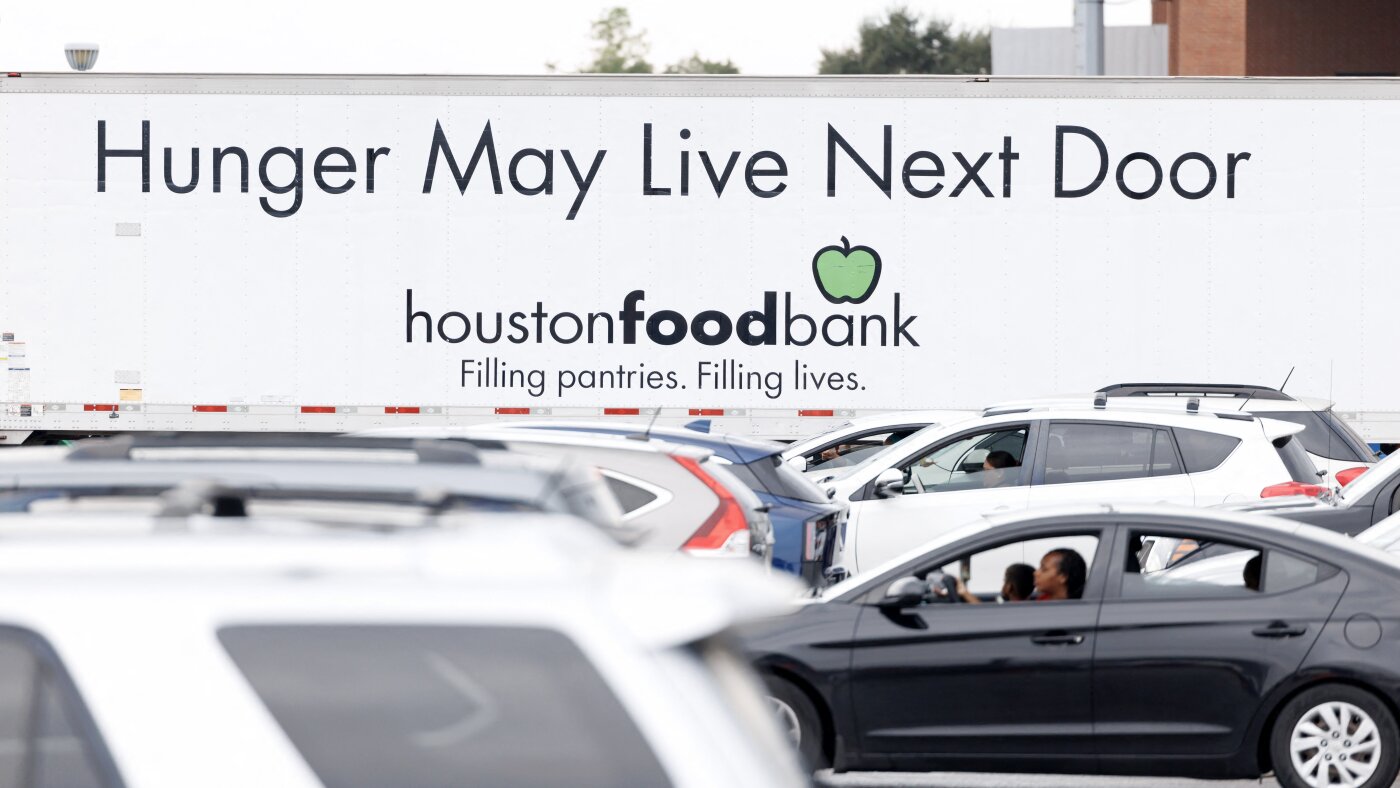
Food insecurity Fed survey rise - price momentum, breakout strength, and resistance levels analysis. A recent survey from the Federal Reserve Bank of New York indicates that food insecurity currently affects more families than at the height of the COVID-19 pandemic. The finding suggests ongoing economic pressures on households, even as broader economic indicators show recovery.
Live News
Food insecurity Fed survey rise - price momentum, breakout strength, and resistance levels analysis. While data access has improved, interpretation remains crucial. Traders may observe similar metrics but draw different conclusions depending on their strategy, risk tolerance, and market experience. Developing analytical skills is as important as having access to data. According to a report by NPR, data from a new survey conducted by the Federal Reserve Bank of New York reveals that food insecurity has worsened in the current economic environment, surpassing the levels seen during the coronavirus pandemic. The survey measures the share of households reporting difficulty affording enough food, and the latest results show a higher percentage than at any point during the pandemic-era peak. While the precise figures from the survey have not been widely released, the trend underscores a reversal from earlier expectations that food hardship would decline as the economy reopened. The survey is part of the New York Fed’s ongoing monitoring of household financial well-being and captures a broad cross-section of U.S. families. The rise in food insecurity comes despite a generally strong labor market and elevated consumer spending, pointing to uneven recovery dynamics. Factors such as elevated food prices, reduced pandemic-era benefits, and lingering inflation may be contributing to the strain on household budgets.
Food Insecurity Surpasses Pandemic Levels: New Fed Survey Highlights Economic Strain Observing correlations across asset classes can improve hedging strategies. Traders may adjust positions in one market to offset risk in another.The interpretation of data often depends on experience. New investors may focus on different signals compared to seasoned traders.Food Insecurity Surpasses Pandemic Levels: New Fed Survey Highlights Economic Strain Market behavior is often influenced by both short-term noise and long-term fundamentals. Differentiating between temporary volatility and meaningful trends is essential for maintaining a disciplined trading approach.Monitoring multiple timeframes provides a more comprehensive view of the market. Short-term and long-term trends often differ.
Key Highlights
Food insecurity Fed survey rise - price momentum, breakout strength, and resistance levels analysis. Sector rotation analysis is a valuable tool for capturing market cycles. By observing which sectors outperform during specific macro conditions, professionals can strategically allocate capital to capitalize on emerging trends while mitigating potential losses in underperforming areas. Key takeaways from this development center on the persistence of cost-of-living pressures. Food insecurity is often a lagging indicator of financial stress, and its increase suggests that many households have not fully recovered from the economic shocks of the past few years. The data from the New York Fed survey may signal that inflation, particularly in essential categories like groceries, continues to erode purchasing power for lower- and middle-income families. For the broader economy, rising food insecurity could affect consumer behavior, potentially shifting spending away from discretionary goods and toward staples. This trend might influence retail sectors differently: discount grocers and value-oriented food chains could see increased demand, while premium or non-essential food brands may face headwinds. Additionally, elevated food insecurity could prompt policy discussions around expanding federal nutrition assistance programs or other social safety nets, which may have fiscal implications.
Food Insecurity Surpasses Pandemic Levels: New Fed Survey Highlights Economic Strain Real-time data is especially valuable during periods of heightened volatility. Rapid access to updates enables traders to respond to sudden price movements and avoid being caught off guard. Timely information can make the difference between capturing a profitable opportunity and missing it entirely.Investors often rely on a combination of real-time data and historical context to form a balanced view of the market. By comparing current movements with past behavior, they can better understand whether a trend is sustainable or temporary.Food Insecurity Surpasses Pandemic Levels: New Fed Survey Highlights Economic Strain Global interconnections necessitate awareness of international events and policy shifts. Developments in one region can propagate through multiple asset classes globally. Recognizing these linkages allows for proactive adjustments and the identification of cross-market opportunities.Correlating futures data with spot market activity provides early signals for potential price movements. Futures markets often incorporate forward-looking expectations, offering actionable insights for equities, commodities, and indices. Experts monitor these signals closely to identify profitable entry points.
Expert Insights
Food insecurity Fed survey rise - price momentum, breakout strength, and resistance levels analysis. Access to global market information improves situational awareness. Traders can anticipate the effects of macroeconomic events. From an investment perspective, the rise in food insecurity may have nuanced implications across sectors. Consumer staples companies—especially those with strong private-label or value offerings—could potentially benefit from trading-down behavior. Conversely, companies heavily reliant on discretionary food spending or restaurant traffic might face softer demand. The data also underscores the uneven nature of the economic recovery, which may keep pressure on the Federal Reserve to consider the real-economy impacts of its monetary policy stance. While overall inflation has moderated, the persistent hardship indicated by the New York Fed survey suggests that higher interest rates and reduced pandemic support are still weighing on vulnerable households. Investors may want to monitor upcoming consumer sentiment and spending data for further signs of strain. Any policy response—whether through legislative action or Fed communication—could create tailwinds for certain sectors. As always, individual company performance will depend on factors beyond macroeconomic trends. Disclaimer: This analysis is for informational purposes only and does not constitute investment advice.
Food Insecurity Surpasses Pandemic Levels: New Fed Survey Highlights Economic Strain Traders frequently use data as a confirmation tool rather than a primary signal. By validating ideas with multiple sources, they reduce the risk of acting on incomplete information.Real-time updates can help identify breakout opportunities. Quick action is often required to capitalize on such movements.Food Insecurity Surpasses Pandemic Levels: New Fed Survey Highlights Economic Strain Cross-market monitoring is particularly valuable during periods of high volatility. Traders can observe how changes in one sector might impact another, allowing for more proactive risk management.Analytical tools can help structure decision-making processes. However, they are most effective when used consistently.