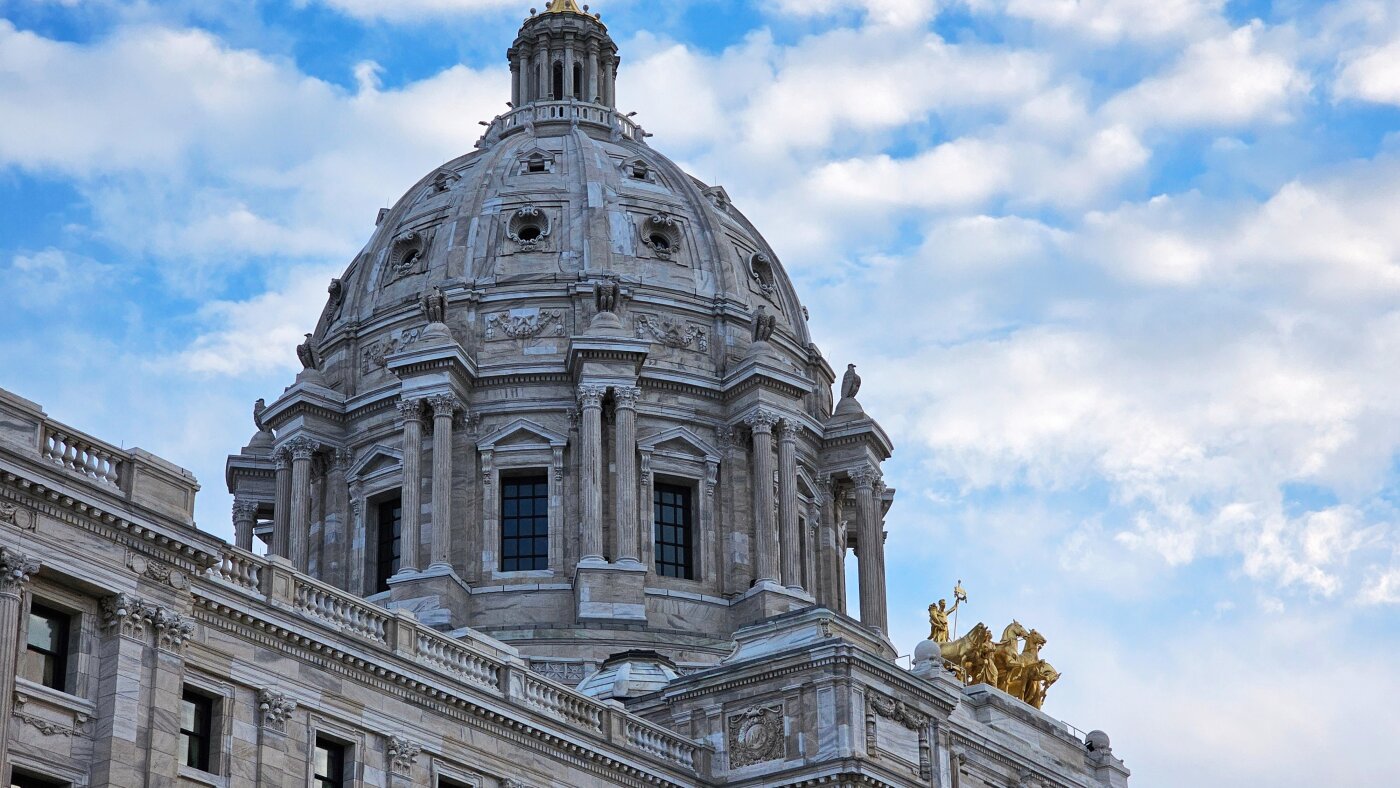
data patterns Our system tracks stock market developments with a focus on earnings surprises, price momentum, and analyst expectations. Minnesota has become the first U.S. state to enact legislation that classifies operating prediction markets as a felony, specifically targeting platforms such as Kalshi and Polymarket. The move marks a significant escalation in state-level efforts to curb the controversial industry, as dozens of other states have pursued legal action but none had previously passed a criminal ban.
Live News
data patterns Real-time updates allow for rapid adjustments in trading strategies. Investors can reallocate capital, hedge positions, or take profits quickly when unexpected market movements occur. Minnesota has set a new precedent in the regulation of prediction markets by becoming the first state to pass a law making it a felony for companies like Kalshi and Polymarket to operate within its jurisdiction. While numerous states have taken legal steps against the industry—often through cease-and-desist orders or civil enforcement—Minnesota’s statute represents the first criminal prohibition at the state level. The legislation targets platforms that allow users to bet on the outcomes of real-world events, including elections, sports, and economic indicators. Proponents argue such markets can lead to manipulation and gambling-like behavior, while critics say the ban may stifle innovation and limit the use of event contracts for hedging or information gathering. Under the new law, operating an unlicensed prediction market in Minnesota could result in felony charges, potentially carrying significant penalties. Both Kalshi and Polymarket, two of the largest platforms in the space, have attracted regulatory scrutiny from the Commodity Futures Trading Commission (CFTC) and now face additional state-level restrictions. The CFTC has previously proposed rules to ban event contracts tied to political contests, but federal action has not yet been finalized.
Minnesota Becomes First State to Criminalize Prediction Markets, Targeting Kalshi and PolymarketPredictive tools are increasingly used for timing trades. While they cannot guarantee outcomes, they provide structured guidance.Real-time tracking of futures markets often serves as an early indicator for equities. Futures prices typically adjust rapidly to news, providing traders with clues about potential moves in the underlying stocks or indices.Cross-asset analysis can guide hedging strategies. Understanding inter-market relationships mitigates risk exposure.Traders often adjust their approach according to market conditions. During high volatility, data speed and accuracy become more critical than depth of analysis.Observing trading volume alongside price movements can reveal underlying strength. Volume often confirms or contradicts trends.Macro trends, such as shifts in interest rates, inflation, and fiscal policy, have profound effects on asset allocation. Professionals emphasize continuous monitoring of these variables to anticipate sector rotations and adjust strategies proactively rather than reactively.
Key Highlights
data patterns Historical volatility is often combined with live data to assess risk-adjusted returns. This provides a more complete picture of potential investment outcomes. Key takeaways from Minnesota’s legislative action include: - First-of-its-kind criminal penalty: Unlike other states that have relied on civil enforcement or regulatory warnings, Minnesota has imposed felony status for operating unlicensed prediction markets, signaling a tougher enforcement posture. - Targeted companies: Kalshi and Polymarket are explicitly highlighted as examples of platforms that would be affected, as they offer event contracts on a wide range of topics from elections to sports. - State vs. federal tension: The move may create a patchwork of regulations, as the CFTC continues to deliberate on federal rules for event contracts. Market participants may face heightened compliance risks across multiple jurisdictions. - Potential chilling effect: Other states could follow Minnesota’s lead, potentially increasing legal hurdles for prediction market operators and reducing user access in certain regions. The industry’s implications extend beyond the platforms themselves. Financial institutions that partner with or facilitate payments to such markets might also face legal exposure. Additionally, the ban could reduce liquidity and information flow from event-based contracts, which some analysts argue provide valuable market signals for forecasting.
Minnesota Becomes First State to Criminalize Prediction Markets, Targeting Kalshi and PolymarketTracking related asset classes can reveal hidden relationships that impact overall performance. For example, movements in commodity prices may signal upcoming shifts in energy or industrial stocks. Monitoring these interdependencies can improve the accuracy of forecasts and support more informed decision-making.Access to global market information improves situational awareness. Traders can anticipate the effects of macroeconomic events.Professionals often track the behavior of institutional players. Large-scale trades and order flows can provide insight into market direction, liquidity, and potential support or resistance levels, which may not be immediately evident to retail investors.Investors who track global indices alongside local markets often identify trends earlier than those who focus on one region. Observing cross-market movements can provide insight into potential ripple effects in equities, commodities, and currency pairs.Some investors prefer structured dashboards that consolidate various indicators into one interface. This approach reduces the need to switch between platforms and improves overall workflow efficiency.Many investors underestimate the importance of monitoring multiple timeframes simultaneously. Short-term price movements can often conflict with longer-term trends, and understanding the interplay between them is critical for making informed decisions. Combining real-time updates with historical analysis allows traders to identify potential turning points before they become obvious to the broader market.
Expert Insights
data patterns Monitoring macroeconomic indicators alongside asset performance is essential. Interest rates, employment data, and GDP growth often influence investor sentiment and sector-specific trends. From a professional perspective, Minnesota’s legislation introduces a new layer of regulatory uncertainty for prediction market operators and their users. The felony designation raises the stakes significantly, as it may deter companies from entering or expanding in the state, and could encourage them to implement stricter geofencing or exit the market entirely. Investors and stakeholders in the fintech and regulatory technology sectors should monitor how other states respond. If a trend toward criminalization emerges, it could accelerate consolidation in the prediction market industry or push operators to relocate to more favorable jurisdictions. Conversely, the federal landscape remains in flux: the CFTC’s proposed rulemaking on event contracts may preempt some state actions or establish a national framework that could override bans like Minnesota’s. Market observers note that prediction markets have been used for decades in other forms, such as political betting in the United Kingdom, where they are regulated differently. The U.S. approach, including Minnesota’s law, may prompt renewed debate about the balance between consumer protection and market innovation. Without a clear federal standard, companies like Kalshi and Polymarket could face an increasingly fragmented legal environment, potentially limiting the growth of event-based trading in the United States. Disclaimer: This analysis is for informational purposes only and does not constitute investment advice.
Minnesota Becomes First State to Criminalize Prediction Markets, Targeting Kalshi and PolymarketSome investors use trend-following techniques alongside live updates. This approach balances systematic strategies with real-time responsiveness.Access to multiple indicators helps confirm signals and reduce false positives. Traders often look for alignment between different metrics before acting.Some traders rely on patterns derived from futures markets to inform equity trades. Futures often provide leading indicators for market direction.Real-time monitoring of multiple asset classes allows for proactive adjustments. Experts track equities, bonds, commodities, and currencies in parallel, ensuring that portfolio exposure aligns with evolving market conditions.Real-time analytics can improve intraday trading performance, allowing traders to identify breakout points, trend reversals, and momentum shifts. Using live feeds in combination with historical context ensures that decisions are both informed and timely.Observing trading volume alongside price movements can reveal underlying strength. Volume often confirms or contradicts trends.